
As the year comes to a close, we remember members of the MSU College of Veterinary Medicine community whose loss was deeply felt across the College.
Frederik Derksen
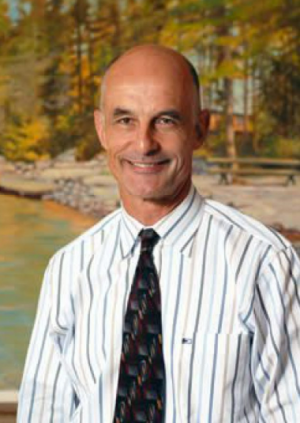
Frederik J. Derksen, DVM, PhD, DACVIM, dedicated more than four decades to Michigan State University. Following his DVM from the Ontario Veterinary College, he completed a residency in equine medicine and surgery at MSU and earned a PhD through NIH support in 1982. He then joined the faculty, launching a 43-year career of teaching, research, and service.
As an equine medicine clinician at the Veterinary Medical Center, Derksen developed a passion for equine respiratory disease, particularly asthma and upper airway function in performance horses. His work—conducted in collaboration with colleagues and numerous graduate students—resulted in more than 300 publications and helped shape modern understanding of these conditions.
Derksen also served MSU through multiple leadership roles. He was acting chair of Small Animal Clinical Sciences (1989–1990) and later led Large Animal Clinical Sciences for a decade beginning in 1992. In 2009, he became acting chair, and then chair, of the Department of Food Science and Human Nutrition in the College of Agriculture and Natural Resources. His leadership strengthened programs across colleges, leaving a lasting institutional impact.
His contributions were recognized with many honors, including the MSU CVM Distinguished Postdoctoral Alumni Award (1997) and Honorary Alumni Award (2005). In 2024, he and co-author Dr. Janver D. Krehbiel published More Than 50 Years of Progress 1970–2022, a historical account of the MSU College of Veterinary Medicine.
Derksen cared deeply about students, residents, and colleagues. He approached both science and life with curiosity and a drive for new challenges—from USAID research in Afghanistan to sea kayaking off the coast of Ireland. He was a true Spartan whose dedication to MSU and its community will be long remembered.
John Welser
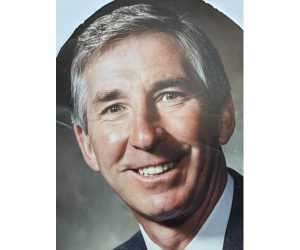
John R. Welser, DVM, PhD, served as dean of the Michigan State University College of Veterinary Medicine from 1975 to 1983, guiding the College through a transformative era of growth. A proud Spartan, Welser earned his DVM from MSU in 1961 before completing his PhD at Purdue University. His return to MSU in 1975 marked the beginning of eight years of leadership that strengthened the College’s academic programs, clinical services, and statewide impact.
During his deanship, Welser played a key role in expanding the Animal Health Diagnostic Laboratory during Michigan’s PBB contamination crisis, when livestock feed was found to contain toxic chemicals. His leadership helped establish the Laboratory as a trusted statewide resource for animal and public health, and laid the groundwork for the world-renowned Veterinary Diagnostic Laboratory of today.
Welser also championed the College’s return to a four-year DVM curriculum, giving students more time for clinical learning, specialty exposure, and professional development. He supported the growth of emerging clinical specialties and recognized the importance of expert educators in fields such as surgery, internal medicine, ophthalmology, radiology, and cardiology.
Known for his charisma and collaborative spirit, Welser built strong relationships across MSU’s medical colleges and with state leadership, helping secure critical support for facility improvements, academic programs, and clinical service expansion. He and his wife, Katie, also established a fund to advance innovation in veterinary research and education—a reflection of their shared commitment to future generations.
Welser leaves a lasting legacy at MSU and within the veterinary profession. His dedication, vision, and service touched countless lives, and he will be deeply missed.
Vilma Yuzbasiyan-Gurkan

Vilma Yuzbasiyan-Gurkan, PhD, made an immeasurable impact across MSU as an accomplished genetics researcher, passionate educator, and cherished friend.
Hailing from Istanbul, she earned a bachelor’s degree at Vassar College before returning to Turkey to complete a PhD at the University of Istanbul Medical School. She completed postdoctoral training at the University of Michigan’s Department of Human Genetics in the 1980s, and remained there as a senior research fellow. In 1990, she joined MSU, where she advanced research into the molecular genetics of disorders affecting dogs and other species.
At the College of Veterinary Medicine, she served for several years as the associate dean for research and graduate studies, and directed the Comparative Medicine and Integrative Biology program for 17 years. Within MSU’s Department of Microbiology, Genetics, and Immunology, she served as the associate chair of graduate studies, a role she held at the time of her passing.
As a researcher, Yuzbasiyan-Gurkan made profound contributions to the fields of genetics and biochemistry. Her work on the genetics of cancer in dogs led to important advances in both veterinary and human medicine. Just as significantly, it fostered lasting partnerships with the Bernese Mountain Dog breeder community. In 2006, she helped establish the Bernese Mountain Dog DNA and Tissue Repository, enabling breeders and scientists to collaborate in advancing the understanding of histiocytic sarcoma in the breed.
Inspired by her postdoctoral research on the molecular genetics of Wilson disease, Yuzbasiyan-Gurkan became a pioneer in applying molecular tools to the study of genetic disease. Among her many achievements, she and her team discovered a critical interaction between zinc and copper that informed a now-standard treatment for copper toxicosis. Collectively, her research deepened understanding of cancer development in diseases such as histiocytic sarcoma, lymphoma, multiple myeloma, mammary carcinoma, and osteosarcoma, while also developing novel approaches ranging from small molecules and nanodrugs to vaccines.
Beyond her scientific impacts, Yuzbasiyan-Gurkan had a powerful impact on the people around her. With former students and mentees around the globe, Yuzbasiyan-Gurkan’s legacy continues to inspire.
Carole Bolin
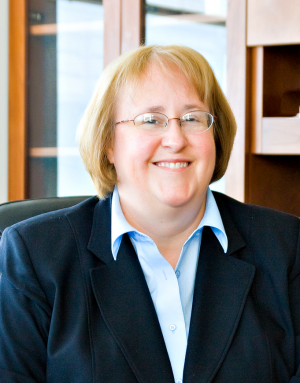
Carole A. Bolin, DVM, MS, PhD, joined MSU in 2000 as a professor in the Department of Pathobiology and Diagnostic Investigation and section head of Bacteriology at the Veterinary Diagnostic Laboratory (then the Diagnostic Center for Population and Animal Health). Appointed laboratory director in 2008, she provided steadfast leadership during a pivotal time. Throughout her tenure, she worked tirelessly to enhance the Laboratory’s expertise, elevate its reputation, and strengthen its services. Her vision and dedication were instrumental in guiding the Laboratory through a period of significant growth and transformation.
A distinguished leader in veterinary diagnostics and a renowned bacteriologist, Bolin made a lasting impact on both public and animal health. She received her bachelor’s degree and DVM from Purdue University before pursuing graduate studies in pathology at Iowa State University. She served as a veterinary medical officer and research leader at the National Animal Disease Center for 18 years prior to joining MSU.
Bolin was widely recognized for her expertise in bacterial diseases, particularly leptospirosis and tuberculosis, and her contributions significantly advanced knowledge and improved diagnostic medicine worldwide.
Beyond her myriad scientific achievements, Bolin was a dedicated mentor, colleague, and friend. Her colleagues remember her as a force of nature—sharp, energetic, kind, and deeply committed to her profession and loved ones. Her quick wit, warmth, and generosity of spirit left an indelible mark on those around her.