By Kelsie Donaldson on May 25, 2026
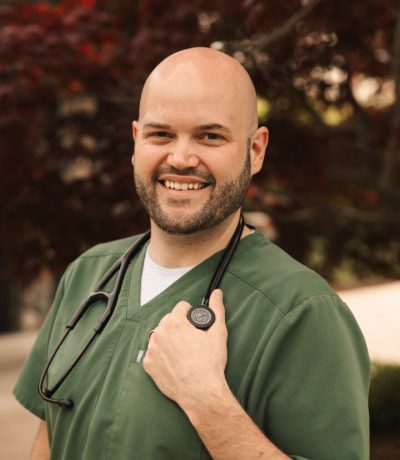
Kcvf Headshot 3

K.C. Van Fleet (DVM ’17) has built his career at the intersection of emergency medicine, systems-based thinking, and a deep commitment to how veterinary care is delivered. After initially planning to pursue specialty training, he transitioned directly into private practice following graduation and began his career at Oakwood Veterinary Hospital in Traverse City, Michigan, where he spent seven years practicing and supporting the hospital through major growth. Over time, Van Fleet’s interests expanded beyond clinical medicine to the broader structures that shape patient care, including communication, workflow, and team culture.

That perspective ultimately led him to found Omnivet in June 2024, a growing urgent and specialty care practice in Northern Michigan. While building Omnivet, Van Fleet paid careful attention to creating a culture of transparency, spectrum of care decision-making, and sustainable support for veterinary teams.

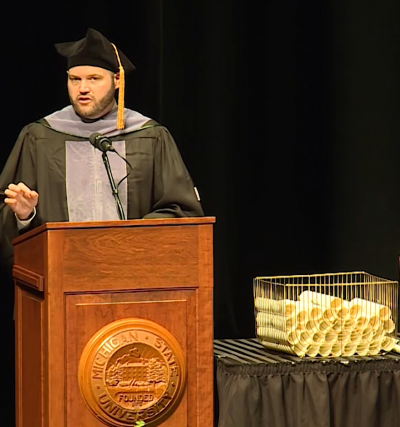
Van Fleet served as the 2026 Michigan State University College of Veterinary Medicine commencement speaker, where he shared reflections from his career and offered advice to the next generation of veterinarians. In the Q&A below, he reflects on his time at MSU, the challenges of rethinking traditional veterinary care, and what he hopes the College’s graduates will carry forward from his commencement address.
What initially drew you to veterinary medicine? What about to emergency care, specifically?

I was drawn to veterinary medicine initially because of my grandfather, Kenneth A. Warner, DVM (MSU Class of 1959). His life left a lasting impression on me. Beyond that personal connection, I was inspired by the unique intersection of science, problem-solving, and the human connection that defines this profession. As veterinarians, we aren’t just treating an animal but also helping a family through moments that truly matter. That responsibility is a privilege that I take very seriously, and it’s what drives me forward.

Emergency care amplifies that responsibility. It also introduces a level of unpredictability and requires rapid, high-stakes decision-making, often with incomplete information. There’s something incredibly rewarding about taking a pet and pet parent from crisis to stability while advocating for the pet and the family in real time with clarity and compassion.

What do you remember most about your time as an MSU student?

I spent eight years at Michigan State University. Still to this day, I can feel that energy and sense of purpose that the campus instilled in me. I remember feeling a part of something bigger than just myself and the sense of everyone coming together with a shared purpose. That sense of unity became even more pronounced within the College of Veterinary Medicine. Everyone worked so incredibly hard to get in, but once we all arrived, it became less about competition and more about collaboration and camaraderie.

I was reminded of these memories while visiting campus for the 2026 commencement speech. I could feel the living energy that campus brings. I was immediately flooded with a sense of gratitude and connection the second I stepped across Grand River Avenue. The morning of commencement, I spent some time by myself below Beaumont Tower listening to the bells ringing; I was connected to campus in a deep way that cannot be put into words.

Many of the most meaningful lessons did not come from the lecture halls—they happened late at night working through cases with classmates, interns, residents, and faculty. I can remember those early mornings on our emergency and critical care rotation, seeing dark circles under everyone’s eyes as we sucked down energy drinks and feverishly finished our notes before rounds. I remember long days on the food animal rotation wrestling cows and my group bursting into laughter while being so exhausted.

One funny story I remember happened while I was scrubbed in for a horse C-section and I was helping to hoist the foal out of the abdomen. The chain from the winch started snaking out of the basket on the ceiling and nearly fell into the horse’s open abdomen. I rushed to the surgery table to attempt to grab it, but in doing so, I fell on the placenta and fell right on my butt. Luckily, the resident at the time, Dr. Jamie Kopper, threw her entire body across the horse’s incision and successfully blocked the chain. It was like a scene straight out of Grey’s Anatomy!

But alongside those moments of joy and camaraderie were the more difficult experiences. Losing patients you fought hard to save, forming bonds with clients during prolonged cases, and processing those losses, sometimes in a vacant ortho exam room on the weekend. Those moments shaped me just as much. They taught me resilience, empathy, and the emotional depth of this profession.

What inspired you to create Omnivet and rethink the traditional veterinary care model?

I identified gaps both in access to care and how that care was experienced by clients and veterinary teams. I saw how affordability of care changed drastically over my short time in practice. I also witnessed firsthand the strain that traditional practice cultures and structures placed on veterinary professionals, contributing to burnout among nurses, assistants, and doctors alike. There was also a growing demand for flexibility, transparency, and a more personalized touch that our current structure was not built to accommodate long-term. Omnivet was created to bridge those gaps.

What makes Omnivet’s model stand out?

The Omnivet model is about meeting clients where they’re at both figuratively and literally. In the literal sense, we offer at-home urgent care services, and we can come to the pet if they have a mobility issue. In the figurative sense, we combine emergency care and cutting-edge, evidence-based medicine while also being flexible in decision-making. We focus on creating individualized care plans that meet the client’s and pet's goals rather than a one-size-fits-all approach. That includes a commitment to transparency around options, costs, and expectations, and working collaboratively with pet owners to determine what makes most sense for them and their pet.

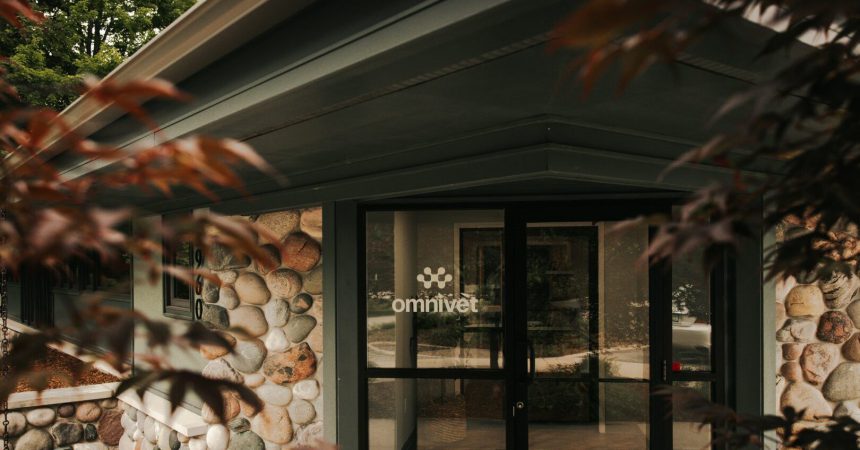
Omnivet 3
How did you navigate skepticism or resistance to a new model of care?

Any time you introduce something new or bring about change, there will be skepticism. My approach, and what I try to instill in my team, is to remain grounded in our “why.” If you’re clear about the problem you’re trying to solve, and you consistently deliver value (both medically and experientially), people will begin to understand. By “people,” I mean the pet parent, but also other veterinary professionals in our community. I’ve also learned that not everyone needs to be convinced immediately. Some people will adopt early, others will take time, and some may never fully buy in. Our focus needs to stay on building something that works, makes sense to us, and genuinely serves people.

What does the “spectrum of care” mean to you, and why is it important in today’s veterinary landscape?

While the phrase “spectrum of care” is a buzzword right now, I honestly think that it is the fundamental principle of our profession. It recognizes that there isn’t a single way to treat every patient. It’s about offering a range of options. However, the most important part (and what people often forget) is the importance of clear communication between the pet parent and the clinician while discussing options. Not every diagnostic and treatment plan carries the same prognosis and success rate, and it is important that the pet parents have informed consent when making those decisions. With client needs being more diverse than ever, it is so important to have clear, honest communication to strengthen trust.

What advice would you give new graduates about maintaining longevity and well-being in this field?

It’s important to stay focused on your “why” and know that things are never going to be perfect, but the world rewards the courageous. Remember to be delusionally self-forgiving.

The way you frame your experiences matters. If you focus on the negative review, the bad outcomes, the things you wish you had done differently, that’s the world you’re going to live in. But if you train your brain to notice the wins, notice the lessons, and notice the gifts that the negative situations bring, you can build a more sustainable and fulfilling career.

What does being a Spartan vet mean to you?

To me, being a Spartan veterinarian means resilience and humility. It means being willing to be vulnerable instead of pretending to have all the answers. It’s a commitment to continued growth, curiosity, and accountability.

What are some things you thought about when deciding what to include in your commencement speech? What message did you hope to convey?

I wanted the message to be honest, relatable, and conversational, like we were sharing a beer at P.T. O'Malley’s.

You get to make choices in life, and those choices leave marks that will last a lot longer than we do. Graduates don’t need to have it all figured out right now, but I wanted to encourage them to stay open, vulnerable, curious, and intentional about their choices.

Anything else you’d like to touch on?

It’s important to acknowledge that veterinary medicine is evolving rapidly, both in the medicine we practice and in the needs of the people who stand by our side in the hospital. There are so many exciting opportunities to make a meaningful difference for pets, pet parents, and veterinary professionals.

Kcvf
Kcp4