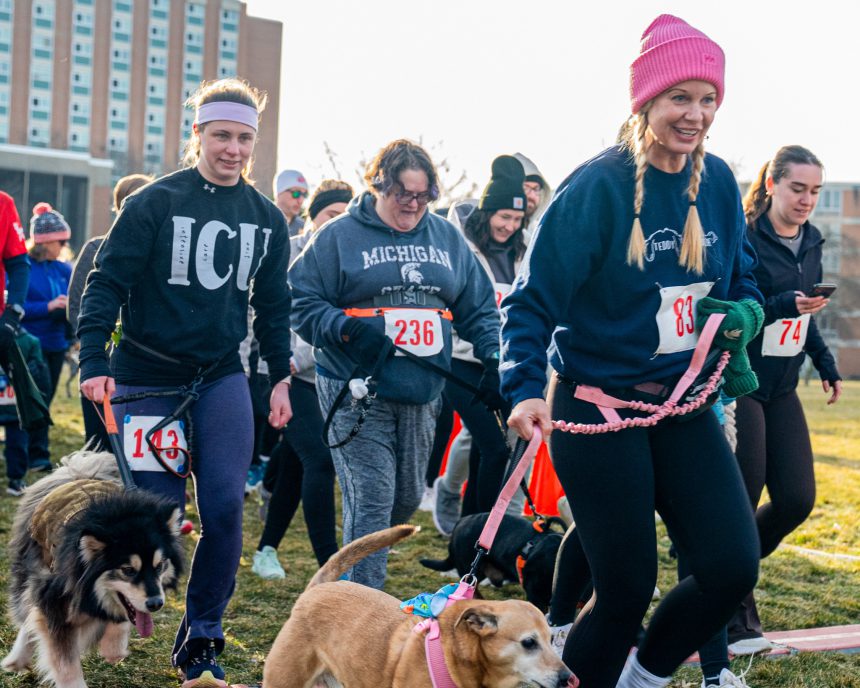
An inside look at how the MSU College of Veterinary Medicine’s community-driven fund provides emergency options and surgical support for pets in need.
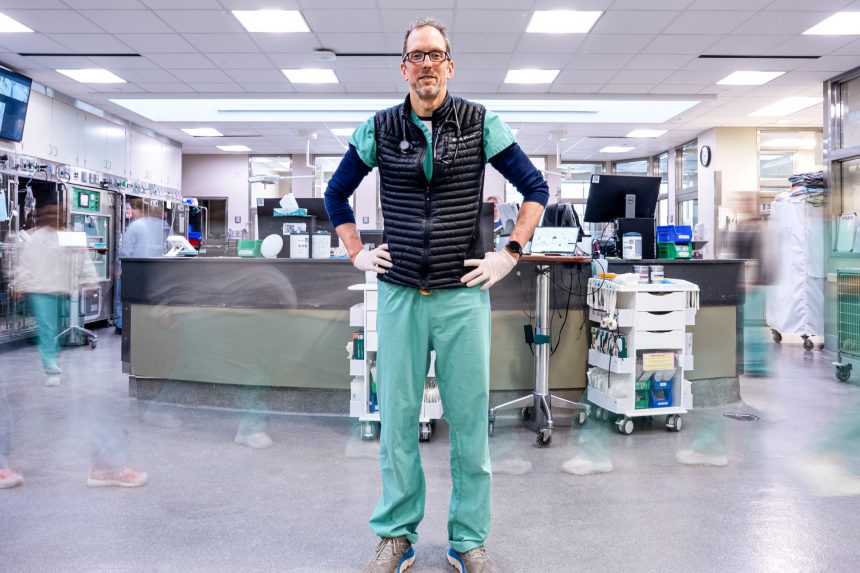
The Veterinary Medical Center at Michigan State University never truly sleeps. In the halls of the Emergency and Intensive Care Unit, the air is filled with the steady whirr of health monitors and the focused energy of a team ready for anything. Walking through these corridors with Dr. Matthew Beal, director of Emergency and Critical Care Services, you realize that for him, this isn’t just a workplace but the frontline of a mission that began over fifteen years ago.
"I've been here for 25 years, and during that time I’ve seen a lot of clients," Beal says. "Veterinary care is expensive, especially high-level veterinary care like the College provides. We see some clients that struggle when they want to do everything they can for their pet, but finances have to play into that decision-making process."
This reality sparked an idea in 2010 when Beal and then-student Dr. Christian Weder, now a cardiologist, first recognized the heartbreaking choice some pet parents face when the cost of life-saving care exceeds their resources. They founded the IRONDOG 5K to help bridge that gap, drawing on their personal bonds as endurance athletes.
“We tried to figure out, ‘Is there a way we can combine our love for running and physical activity endurance sports to raise money and create a fund here at the College?’” Beal recalls. To help generate money in the beginning, the duo didn’t just ask for donations; they also raised funds by running back and forth across the Grand Canyon.
What began as an initiative to help service dogs and pets with strong prognoses has grown into a cornerstone of the Hospital, funded partly by the collective strength of the annual IRONDOG 5K. Beal is quick to credit the core team of students who drive enthusiasm for the fund.
“I give all the credit to the students. They are the ones that have really jumped on board,” says Beal. “They tend to be the students that work with us in the ER and in the ICU a lot, so they’re the ones that drive a lot of the enthusiasm. They’re great with social media and getting the word out.”
That student-led momentum was tested during the COVID-19 pandemic when university events were paused for several years. “It hurt the enthusiasm for it,” Beal admits. However, the race’s comeback last year proved the resilience of the mission, resulting in the largest registration in the event’s history with over 500 participants. This resurgence was a testament to the enduring Spartan spirit and the collaborative efforts of students and staff from across the College.
The race is a true community collaboration. Local partners like Playmakers lend their support by providing music and setting up the start and finish lines on race morning. Various corporate sponsors and local organizations also help cover event costs, ensuring that most of the registration fees can go directly to patient care. “Our goal through fundraising and sponsorship is to try to pay for the event. That way, all the registrations and everything people are paying to participate goes to the pet patients,” Beal explains.
Though Beal is a dedicated runner himself, you won’t find him in the middle of the pack on race day. Instead, he serves as a race director, often leading the runners out via bike to ensure everyone stays on course. “While it’s a lot of work for everybody, it absolutely feels good to help people out,” he says.
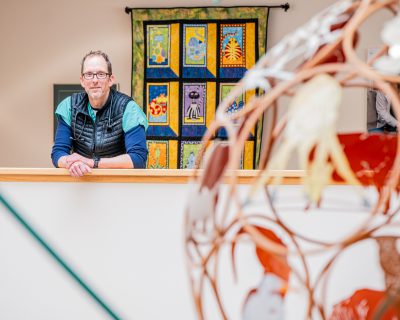
Beyond the medical solutions it provides, Beal notes that part of the fund's power lies in the emotional relief it offers to “the human end of the leash.” He says that the committee typically provides grants of about $500 to “chip in” on critical needs, such as units of blood or minor surgeries. “When they see that we’re willing to try to help out where we can… you can see it touches people,” Beal says. “They know that we’re doing everything we can to help, just like they’re doing everything they can.”
This support has created a “pay it forward” culture. One of the stories that sticks with Beal most is the fund's very first recipient: a young pet parent with a critically ill German Shorthaired Pointer, who had been struggling to survive. The fund helped the dog “get over the hump,” allowing him to live a long and full life. Today, many such beneficiaries return to East Lansing to participate in the annual 5K alongside the medical team that saved their pets.
While the fund’s name suggests a canine focus, its reach extends to any patient in need. Beal notes that they have helped “iron cats” and even “iron horses” when the need arises. “If I can help folks, even if only a little bit, that’s our goal,” he says.
As the 2026 race approaches, removing financial barriers to life-saving treatment remains the primary focus. This year’s participants can look forward to a scenic route through the heart of the MSU campus and a special edition race shirt. Whether you’re running for a personal best or walking to honor the memory of a pet, your participation ensures that when the next emergency walks through the Hospital door, Beal and his team have the resources to fight for a second chance.