
Vetschool Tails
Our latest musings on how our Spartans are changing the world for animals and humans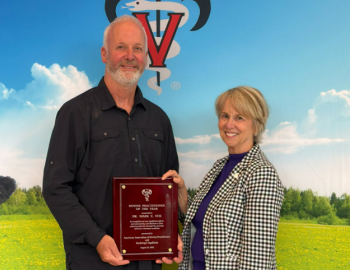 Q&A with AABP Bovine Practitioner of the Year: Alum Dr. Mark Fox
Posted
by
Kelsie Donaldson on September 18, 2026
Q&A with AABP Bovine Practitioner of the Year: Alum Dr. Mark Fox
Posted
by
Kelsie Donaldson on September 18, 2026

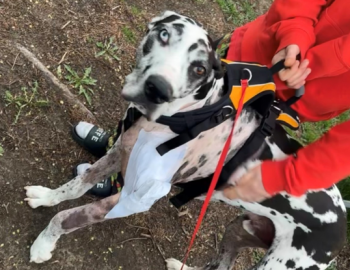 Advanced Minimally Invasive Orthopedic Surgery Helps Great Dane Recover from Gunshot Wound
Posted
by
Kelsie Donaldson on August 20, 2026
Advanced Minimally Invasive Orthopedic Surgery Helps Great Dane Recover from Gunshot Wound
Posted
by
Kelsie Donaldson on August 20, 2026
More Stories
RSS Case Study: Palliative Radiation Therapy Treats Feline Nasal Tumor
Posted
by
Leanne Magestro on May 02, 2019
Case Study: Palliative Radiation Therapy Treats Feline Nasal Tumor
Posted
by
Leanne Magestro on May 02, 2019
 Violet, the Pot-Bellied Pig, Lives On: MSU Theriogenology Service Funds Ovariohysterectomy, Saves Pig’s Life
Posted
on April 01, 2019
Violet, the Pot-Bellied Pig, Lives On: MSU Theriogenology Service Funds Ovariohysterectomy, Saves Pig’s Life
Posted
on April 01, 2019
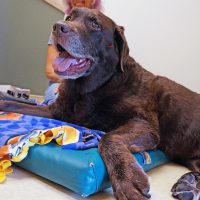 Spartans Will: MSU Veterinary Medical Center Helps Dog with Two Incurable Diseases
Posted
on September 19, 2018
Spartans Will: MSU Veterinary Medical Center Helps Dog with Two Incurable Diseases
Posted
on September 19, 2018
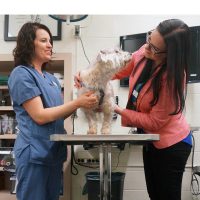 Case Study: Don't Turn a Blind Eye to Seizures
Posted
on August 07, 2018
Case Study: Don't Turn a Blind Eye to Seizures
Posted
on August 07, 2018
Popular Categories
Happy Tails Stories of success from the MSU Veterinary Medical Center Clinical FocusTechnical tales for veterinarians and others who enjoy medical procedures The Dean'sPaw-spective